Morocco Entry Requirements & Self-Drive Border Essentials
Passports, Visas, Driving Permits, and Border Clearance for Independent 4×4 Travelers
Overview: Independent Travel, Seamless Preparation
Embarking on a self-drive adventure across Morocco’s High Atlas passes or Saharan tracks is one of the most liberating ways to experience North Africa. Navigating international entry rules and local driving laws is entirely straightforward when you know what to expect.
At Stradale, we believe in all the freedom of going it alone, with none of the planning anxiety. This definitive guide outlines everything you need to know regarding passports, visas, driving documentation, and customs regulations for travelers visiting from the USA, Canada, United Kingdom, European Union, Australia, New Zealand, and South Africa.
1. Passport & Visa Entry Rules by Country
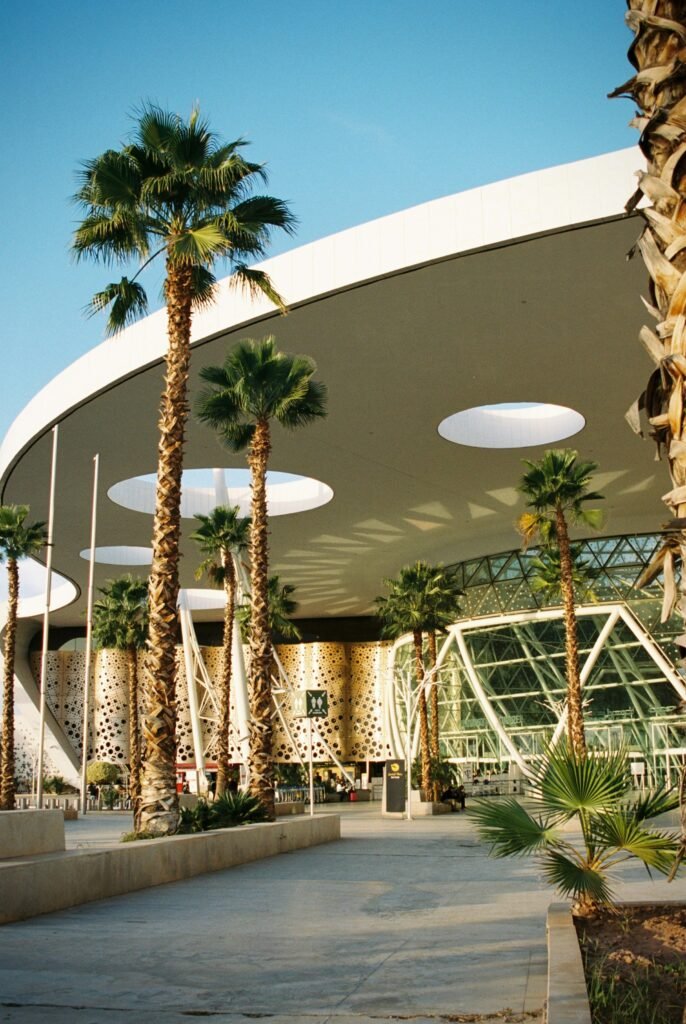
Moroccan immigration operates a simple, welcoming entry policy for international tourists. However, border officers strictly enforce standard passport validity and physical condition rules upon arrival at airports such as Marrakech (RAK) and Casablanca (CMN).
Traveler Passport Origin Visa Required for Tourism? Maximum Stay Length Minimum Passport Validity Required United States No Visa Required Up to 90 Days 6 Months beyond entry date Canada No Visa Required Up to 90 Days 6 Months beyond entry date United Kingdom No Visa Required Up to 90 Days 6 Months beyond entry date European Union (All) No Visa Required Up to 90 Days 6 Months beyond entry date Australia & New Zealand No Visa Required Up to 90 Days 6 Months beyond entry date South Africa e-Visa Required Up to 30 Days (Extendable) 6 Months beyond entry date Passport & Entry Checklist:
The 6-Month Rule: Your passport must have at least 6 months of validity remaining from the date you arrive in Morocco.
Blank Stamp Pages: Ensure your passport has at least one completely blank page for the entry and exit stamps.
Passport Condition Check: Moroccan immigration officers are rigorous regarding physical passport integrity. Passports with loose bindings, damaged covers, or water marks can lead to entry delays or refusal at airport control.
South Africa Passport Holders (e-Visa Process): Travelers holding a South African passport must apply for an official Moroccan e-Visa prior to departure via the government portal (
acces-maroc.ma). Processing typically takes 24 to 72 hours, granting a single-entry tourist visa.2. Driving License & Self-Drive Vehicle Documentation
Driving in Morocco does not require special off-road qualifications—just a valid national driving license, standard road awareness, and your vehicle’s paperwork.
[National Photocard License] + [IDP (Recommended/Required for UK)] + [Stradale In-Car Paperwork Folder]National Driving Licenses vs. International Driving Permits (IDP)
US, Canadian, EU, Australian, & NZ Licenses: Your valid national photocard license (printed in Latin script) is officially recognized for short-term self-drive tourist stays up to 90 days. Carrying an International Driving Permit (IDP) is recommended as a supporting document to make routine police check-ins even smoother.
UK Driving License Holders: UK Foreign Office guidance recommends holding a 1968 International Driving Permit (IDP) alongside your UK photocard license when driving in Morocco. IDPs are easily acquired over the counter at major post offices prior to your trip.
Driver Requirements: Lead drivers must present a physical credit card in their name for the standard vehicle security deposit during handover.
The Stradale In-Car Paperwork Folder (Provided at Vehicle Handover)
You never have to worry about missing vehicle documentation or local language barriers. Upon handover of your 4×4, our team provides a dedicated, organized In-Car Document Folder kept inside the glove compartment. This folder contains all original legal paperwork required by Moroccan traffic law:
Carte Grise: The official Moroccan vehicle registration certificate.
Attestation d’Assurance: Proof of comprehensive vehicle insurance and road support cover.
Contrat de Location & Authorization: Your signed self-drive rental contract explicitly authorizing you to operate the vehicle across Morocco’s national routes and graded pistes.
3. Customs Regulations, Drones, & Special Equipment
Moroccan customs officials maintain strict security policies at all border ports and international airports.
⚠️ Strict Drone Warning (Leave Drones at Home)
Morocco enforces a strict prohibition on personal tourist drones. Importing a drone without prior commercial government authorization is illegal. Customs officials screen all luggage upon arrival; undeclared drones will be immediately confiscated at airport border control and held in customs storage until your departure (often incurring storage fees and lengthy administrative paperwork). We strongly advise all guests to leave personal drones at home.
Satellite Devices, Electronics, & Cash
GPS & Navigation: Offline smartphone/tablet navigation—including the Stradale Mobile Guide App—is 100% legal and approved. Satellite communicators (such as Garmin InReach or satellite phones) require prior customs clearance.
Prescription Medications: Keep all personal medications in their original labelled containers, accompanied by a copy of your doctor’s prescription.
Currency Declaration: Foreign currency can be brought into Morocco. If carrying the equivalent of 100,000 MAD (~$10,000 USD/EUR) or more in cash, it must be declared upon arrival at airport customs.
4. Police Checkpoints & Road Etiquette
Police checkpoints (Contrôles Routiers) are a routine, safety-focused part of driving in Morocco. Located at regional borders, town entrances, and major intersections, they are straightforward to navigate.
Bring the Vehicle to a Complete Stop: When approaching a checkpoint marked by a sign reading Halte Gendarmerie or Halte Police, stop completely at the stop line. Wait until the officer explicitly waves or signals you to proceed.
Presenting Documents: If asked to pull over, remain seated, greet the officer (“Bonjour”), and hand over your driving license, passport, and the Stradale In-Car Paperwork Folder. Officers are courteous and accustomed to international tourists.
Speed Limits: Speed limits are strictly enforced via handheld radar traps near village entry points. Standard limits are:
Urban / Village zones: 40 – 60 km/h
Rural & Regional routes: 80 – 100 km/h
Expressways / Motorways: 120 km/h
Frequently Asked Questions (FAQ)
Do I need to fill out a paper landing card upon arrival at Moroccan airports?
No. Paper arrival landing cards have been phased out at major international airports like Marrakech (RAK) and Casablanca (CMN). Your arrival details, accommodation address, and passport data are recorded digitally by immigration officers upon arrival.
What happens if I encounter bad weather or closed mountain passes?
Moroccan weather in the high altitudes can shift quickly. While standard valley routes remain accessible year-round, high passes can occasionally experience temporary closures. With Stradale, your vehicle is backed by our dedicated offline guide app, providing real-time weather updates, automated alternative routes, and quiet local safety support in the background.
Can I extend my tourist stay beyond 90 days?
Visa-exempt tourists wanting to extend their stay past 90 days must apply for a residence extension (Certificat d’Immatriculation) at a local police station (Préfecture de Police) at least 15 days before their initial 90-day allowance expires.
Curious if a self-drive 4×4 adventure in Morocco is right for you? > You bring the driving spirit; we supply the capable 4×4, full vehicle documentation, custom offline navigation, vetted guesthouse stays, and quiet local backup in the background.
🔗 [Explore Stradale’s Self-Drive Morocco Itineraries] or contact our team to discuss your travel plans!