


Phase One: The Landside Transition
Let’s be entirely honest with ourselves: the first three hours of any international holiday are rarely cinematic. They are a test of administrative endurance. You step off a modern, climatecontrolled aircraft and find yourself thrust into the sensory overload of Marrakech Menara Airport—a beautiful architectural masterpiece that nonetheless functions as a high-stakes arena of bureaucracy, luggage carousels, and aggressive transportation offers.
At Stradale Adventure, we believe that an independent journey should never feel like a chaotic scramble. True independence requires an intelligent infrastructure. To ensure your transition from airplane seat to the driver’s seat of your 4×4 is entirely flawless, you need to understand exactly how the first sixty minutes landside unfold.
There are two critical operational boxes you must tick before you step through the final sliding glass doors into the Moroccan sun to meet our logistics liaison. Think of this as your administrative pre-flight checklist.

1. The Cash Paradigm (The Art of the Dirham)
We live in an increasingly cashless world where you can buy a single artisanal coffee in London or New York by waving a smartphone at a piece of glass.
Morocco, bless its cultural soul, does not care about your digital wallet. Once you cross the mountain passes of the High Atlas, cash is the undisputed king of the economy. The small, familyrun cafes tucked into the rocky crevices of the Todra Gorge, the independent roadside petrol stations on the fringes of the dunes, and the solitary nomads selling spectacular geological fossils
along the desert highways do not have merchant accounts with Visa or Mastercard. They deal in physical Moroccan Dirhams (MAD).
Therefore, your absolute first priority upon clearing passport control is to hit the currency exchange counters or ATMs located directly inside the arrivals hall. Do not wait until you get to the city, and absolutely do not wait until you are in the mountains. Exchange a healthy baseline of currency (Sterling, Euros, or Dollars) right there. Request a mix of denominations; while a 200-
Dirham note is fine for a major fuel stop, trying to buy a 5-Dirham glass of fresh squeezed orange juice with one will result in a flurry of apologetic hand gestures and a frantic search through the village for change. Get plenty of 20, 50, and 100-Dirham notes. Keep them accessible, keep them dry, and treat them as your golden ticket to local hospitality.

2. The Connectivity Layer (Plugging into the Safety Net)
Your Stradale journey is powered by a proprietary navigation app that we have spent years refining. It is a brilliant piece of software that uses your smartphone’s internal GPS to track your location against pre-loaded, highly detailed satellite maps. It will function perfectly even if you are in a deep mountain shadow with zero cellular signal.
However, while the maps work offline, our digital safety net does not. We track your progress remotely to ensure you haven’t taken an accidental four-hour detour toward the Algerian border, and we provide real-time messaging support should you want to ask for a restaurant recommendation or report a flat tire. For that, you need local data.
You have two distinct paths to cellular enlightenment:
- The Digital Route (eSIM): If your smartphone is a modern, unlocked device that supports digital SIM cards, this is the cleanest method. Purchase and download a Moroccan eSIM profile (using providers like Airalo or Holafly) before you even board your flight. The moment your plane touches down on the tarmac in Marrakech, toggle the line on. Boom—instant data, zero plastic, zero fuss.
- The Physical Route (Local SIM): If your phone is traditional, or you want the raw power of a local network provider with a Moroccan phone number, halt immediately in the arrivals hall. You will see brightly lit kiosks for Maroc Telecom and Orange. Walk up, hand over your passport, and buy a prepaid tourist SIM card with a generous data package (10GB to 20GB is usually overkill but highly recommended). It costs roughly the price of a modest pub lunch, the staff will physically install the card and verify it works, and you will walk out of the terminal with full, blazing-fast local connectivity.
Once your wallet is full of Dirhams and your phone screen displays a local network logo, pass through the final security exit. Ignore the frantic gauntlet of airport taxi drivers waving cardboard signs. Look directly for the smiling Stradale representative holding our signature clipboard. Your vehicle handover depot awaits, and the admin portion of your holiday is officially over.
Phase Two: The Soft-Drive Packing Manifest
Now that the arrival logistics are clear, let us address the physical contents of your luggage. Packing for a Moroccan self-drive expedition is a delicate exercise in thermal management, spatial geometry, and resisting the urge to over-prepare.
The single most common mistake travelers make is packing like they are embarking on a sixweek trekking expedition through the wilderness of Alaska. Let us repeat a core truth: this is a soft-drive holiday. You are not hacking your way through uncharted jungle with a machete; you are driving an exceptionally capable 4×4 vehicle through a stunning, ancient country on routes that we have carefully vetted for safety and accessibility. You will be sleeping in gorgeous, highend boutique riads and luxury desert amps with plush linens and running hot water. You do not need survival gear.
Here is your definitive, real-world packing manifesto.

1. The Geometry of the Boot: Ditch the Hard Shells
Before you put a single item of clothing into a bag, take a long, hard look at your luggage itself. If your go-to travel bag is a massive, rigid, polycarbonate hard-shell suitcase with smooth spinner wheels, leave it in the closet.
Hard-shell suitcases are the natural enemy of 4×4 cargo bays. They are unyielding, uncooperative shapes that refuse to deform. When you are packing a vehicle for a week-long road trip — including your personal luggage, a crate of bottled mineral water, and camera gear—you need flexibility.
Pack your life into soft, malleable duffel bags or unstructured travel rucksacks. Soft bags can be wedged, stacked, and compressed into the boot of a Duster or Land Cruiser with infinite ease. More importantly, hard plastic suitcases resting against each other will create an incessant, maddening plastic-on-plastic squeaking and rattling noise the moment your tires hit a gravel piste. Spare your sanity: go soft.

2. The Geometry of the Boot: Ditch the Hard Shells
Morocco’s geography is a masterclass in dramatic temperature swings. Within a single twelvehour window, you will experience climates that feel like mid-summer Mallorca and others that closely resemble a brisk autumn evening in the Scottish Highlands.
When you are driving through the midday sun of the Draa Valley, light, breathable clothing is essential. Think natural fibers—linen shirts, lightweight cotton trousers, and loose t-shirts. They keep you cool behind the wheel and dry quickly.
But do not let the word “Sahara” trick you into thinking Africa is universally hot. The desert is a landscape devoid of moisture and cloud cover. The moment the sun slips below the horizon of the Erg Chebbi dunes, the thermal curtain drops instantly. The heat radiated by the sand vanishes into the upper atmosphere, and temperatures can plummet to single digits within a couple of hours.
Your wardrobe must be modular. You need a high-quality, wind-resistant outer shell or a lightweight down jacket for those unforgettable nights spent sitting around a Saharan campfire, drinking mint tea, and staring up at a canopy of stars that looks like someone spilled silver paint across velvet.
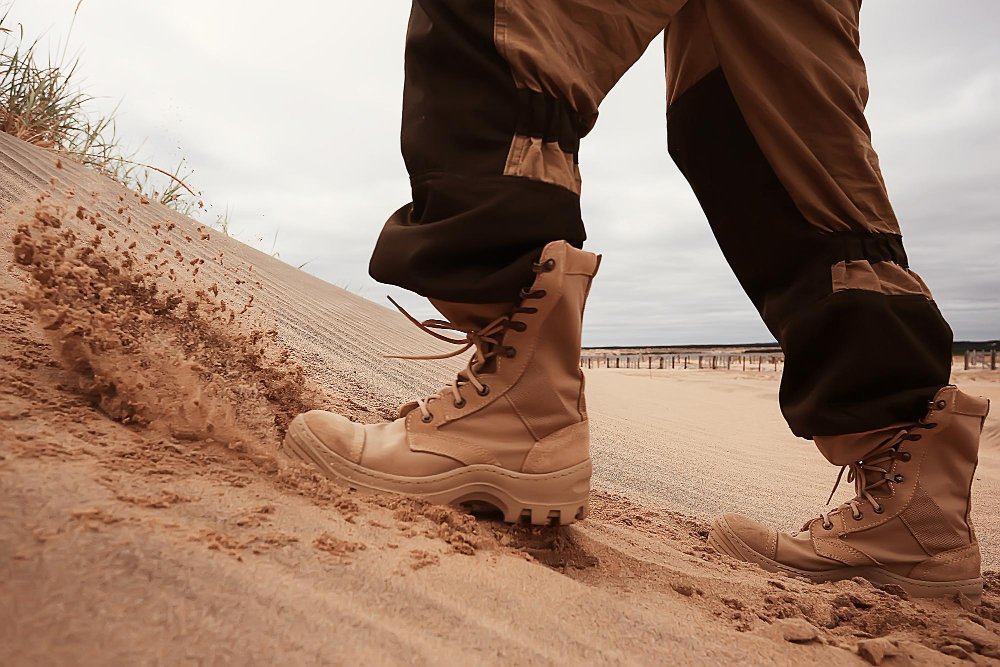
3. Footwear: The Myth of the Heavy Boot
Unless your personal itinerary involves a deliberate side-quest to scale Mount Toubkal, leave the heavy, steel-shanked, waterproof mountain-climbing boots at home. They are heavy, they destroy your pedal feel when driving, and they take up half the volume of your soft luggage bag.
Instead, prioritize two pairs of shoes:
- The Primary pair: A comfortable, highly breathable pair of daily trainers or specialized driving shoes. You want something with a flexible sole that allows you to feel the throttle and brake inputs precisely over long driving days.
- The Secondary pair: A robust, high-traction trail shoe or approach shoe. Something with a grippy Vibram-style rubber sole. This is what you wear when you turn off the engine to wander through the ancient, labyrinthine mud-brick alleys of Aït Benhaddou, or when you Scramble over the smooth limestone boulders of the Todra Gorge floor.
Phase Three: The Psychology of the Moroccan Road
With your administrative boxes ticked, your soft duffel bags packed, and your smartphone securely mounted to the dash, there is only one element left to prepare: your mindset.
Driving in Morocco is an incredibly rewarding, visceral experience, but it requires you to reset your cultural expectations of road etiquette. It is a system driven by organic flow rather than rigid, clinical rules.
When you encounter a roundabout in Marrakech, do not expect drivers to politely wait for their designated turn in the lane. It is a game of assertive, slow-speed negotiation. The rule is simple: maintain a steady, predictable forward trajectory, make eye contact with the drivers around you, and move with confidence. If you hesitate, the traffic system will interpret it as a vacuum and fill
it immediately.
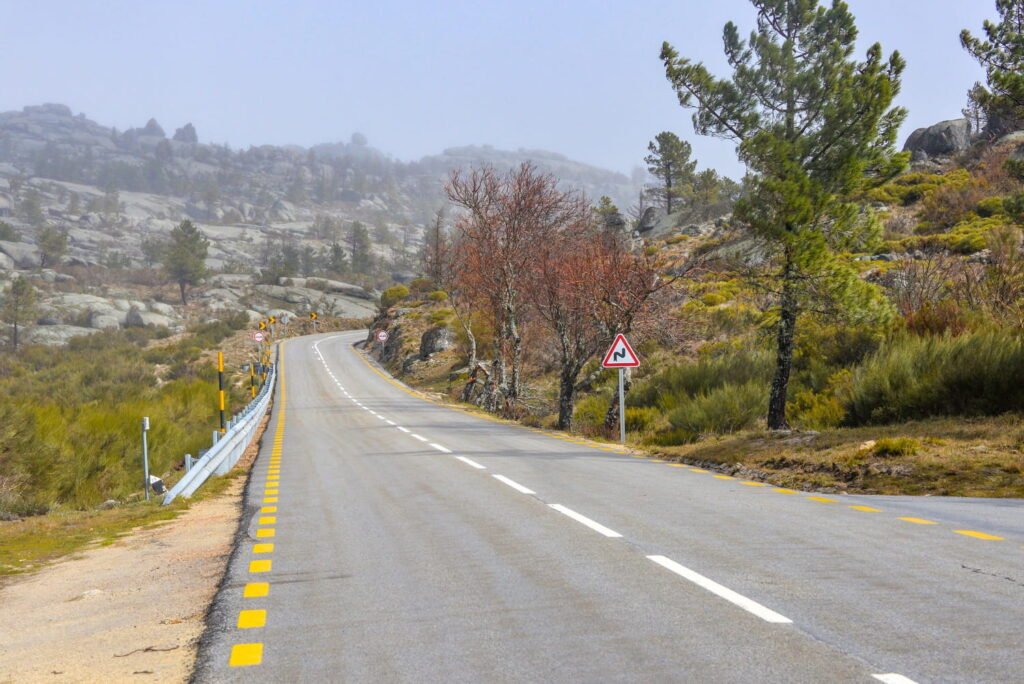
Once you clear the urban boundaries, the road transitions into a grand, sweeping narrative. You will drive along perfectly engineered, glassy smooth blacktop that carves through mountain rock faces like a scalpel. You will coast down long, empty desert straightaways where the horizon shimmers with heat mirages. And eventually, you will experience the immense satisfaction of
turning off the asphalt entirely, shifting your vehicle into four-wheel drive, and feeling the crisp, tactile crunch of hard-packed gravel beneath your tires as you follow a trail that has been used by camel caravans for a thousand years.
You will encounter police checkpoints at the entrance to almost every major town. Do not panic; they are not there to harass you. They are a highly effective, deeply polite security network designed to keep the country safe. As you approach the red “Halte Police” sign, slow down to a crawl, drop your vehicle into second gear, roll down your window, and look at the officer. Nine
times out of ten, they will spot your rental vehicle plaque, offer a warm, welcoming smile, and wave you through with a polite “Bienvenue au Maroc.” If they do pull you over, it is usually a simple administrative check. Keep a calm smile on your face, hand over your driver’s license and vehicle documents, and exchange a few pleasantries. A little respect goes a very long way.
Expect to share the right-of-way with an eclectic cast of characters: slow-moving agricultural tractors overflowing with watermelons, lone shepherds guiding flocks of goats across mountain highways, and the occasional stubborn donkey cart trotting placidly along the shoulder.
It is a landscape that actively demands your attention, rewards your curiosity, and forces you to slow down. If you try to rush a Stradale itinerary to meet a strict, self-imposed chronological schedule, you are missing the entire point of the journey. The magic of Morocco lives in the unscripted moments—the unexpected roadside view that forces you to pull over and just stare, the tiny mountain village where you stop for a spontaneous bowl of steaming harira soup, or the pure, unadulterated joy of watching the sun sink behind a mountain of orange sand.
Pack your bags, secure your data, trust the vehicle, and leave the highway mindset behind. Your adventure starts the moment the wheels turn.