Tour Type:Self-guided adventure with mobile guide app
Language:Arabic, English, French
Experience the majestic High Atlas range from the commanding position of a premium, full-size 4x4, such as a Toyota Land Cruiser or VW Touareg, on this self drive 4x4 adventure.
This seven-day mountain expedition delivers an exceptional blend of rugged terrain and elegantly comfortable, characterful stays. Navigating as an independent adventurer with our dedicated mobile app, you will tackle daily driving legs ranging from 100 to 180 kilometers between iconic stops.
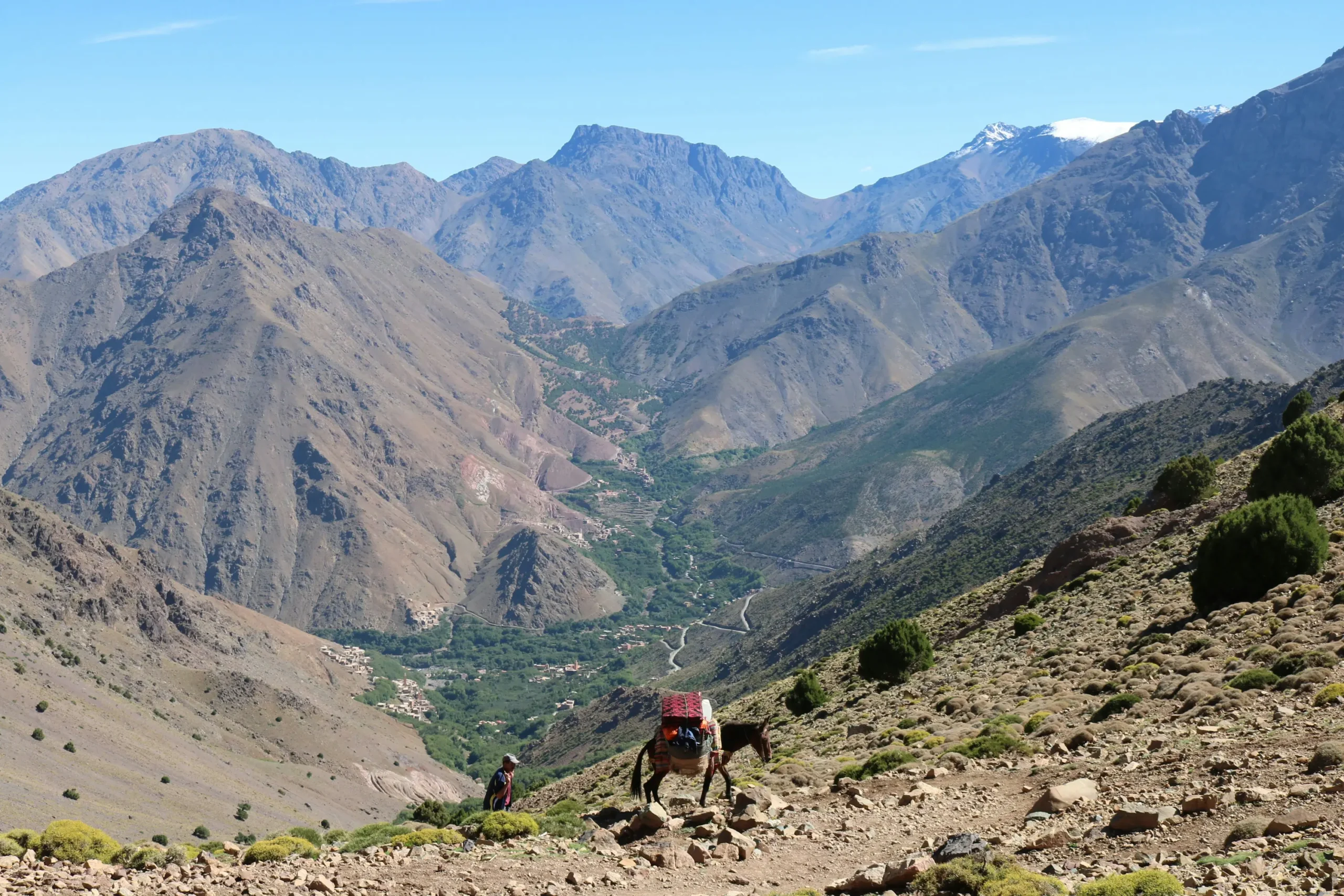
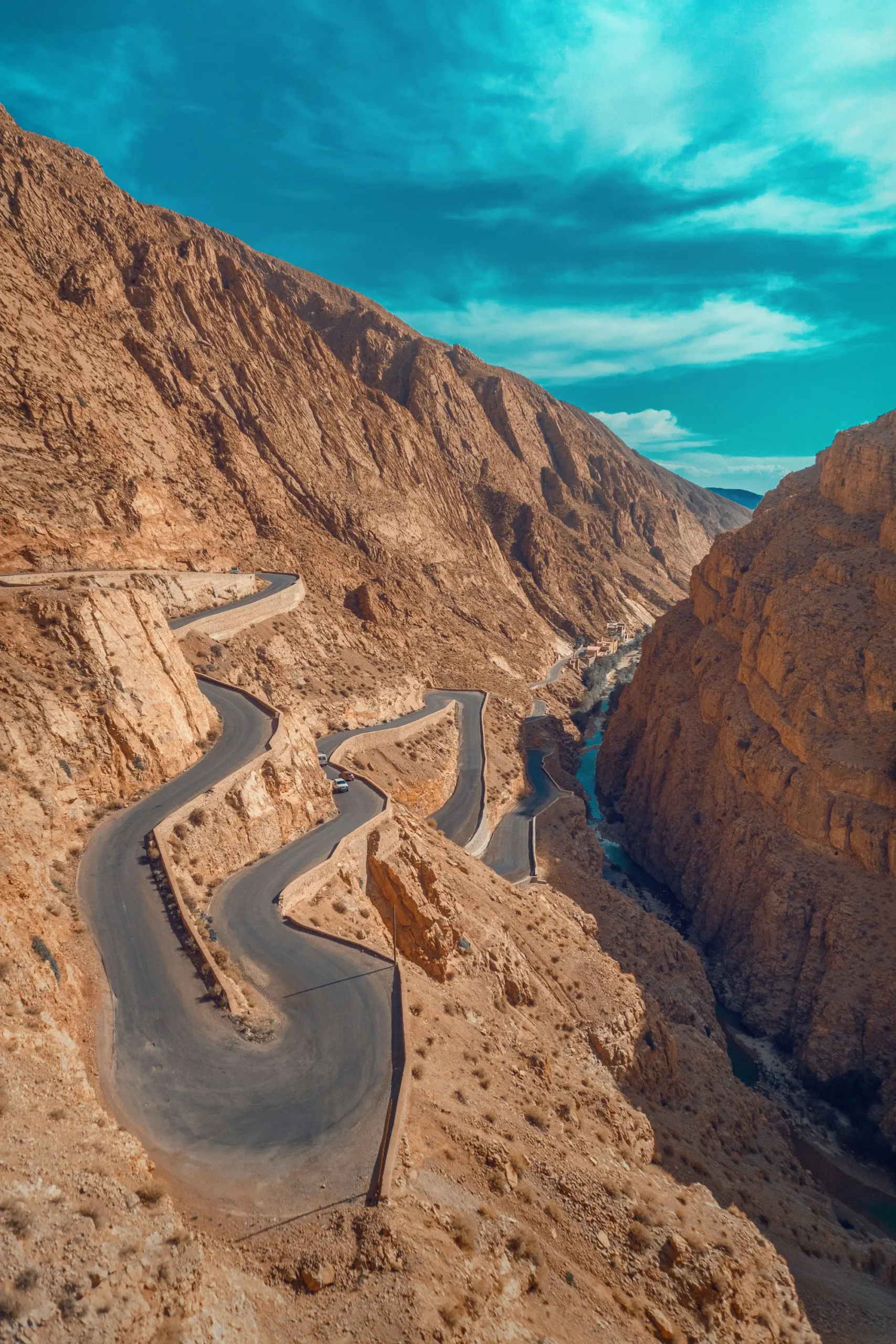
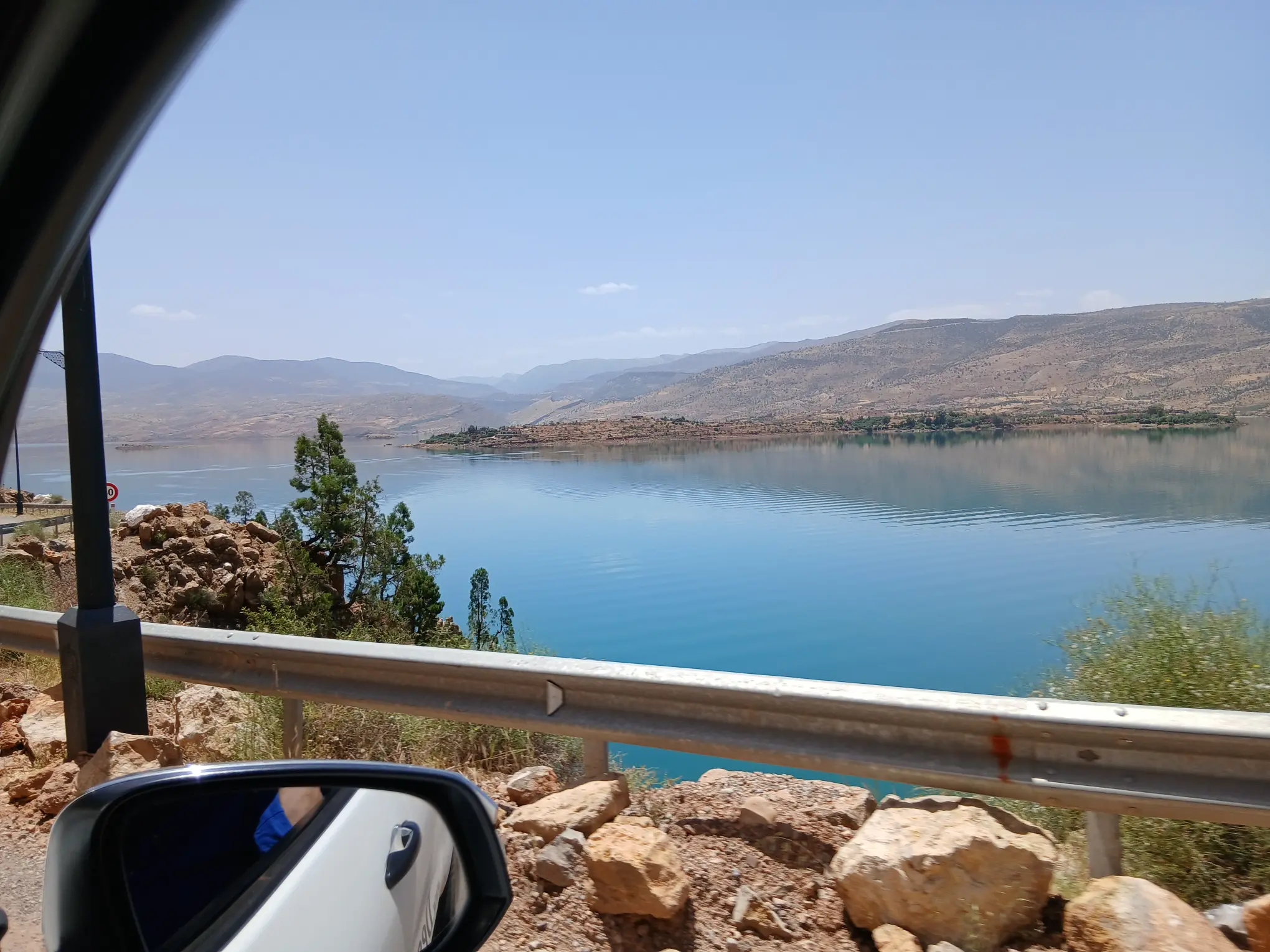
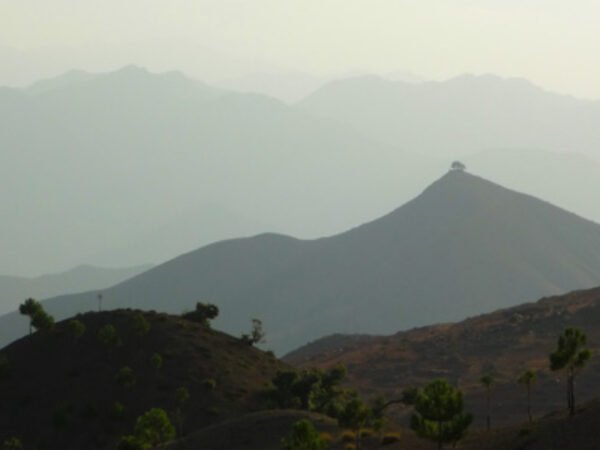
The route takes you deep into traditional Berber territories, scaling high-altitude passes that cross over 3000 meters. The driving is wonderfully adventurous; you will take your 4x4 up unpaved shelf roads and winding mountain switchbacks featuring long, breathtaking drops that are designed to put your skills to the test and stir your adrenaline, all while remaining entirely manageable and safe.
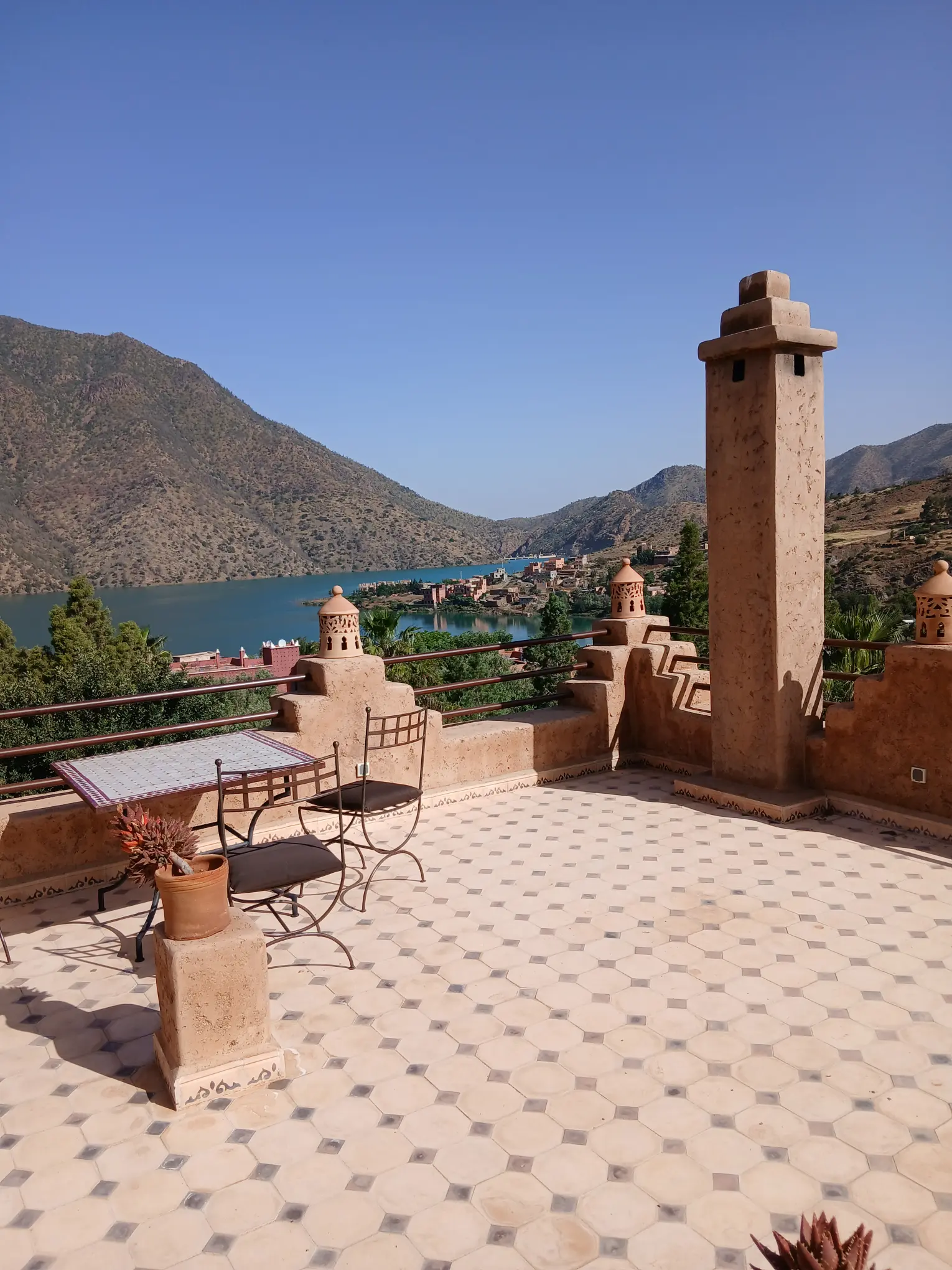
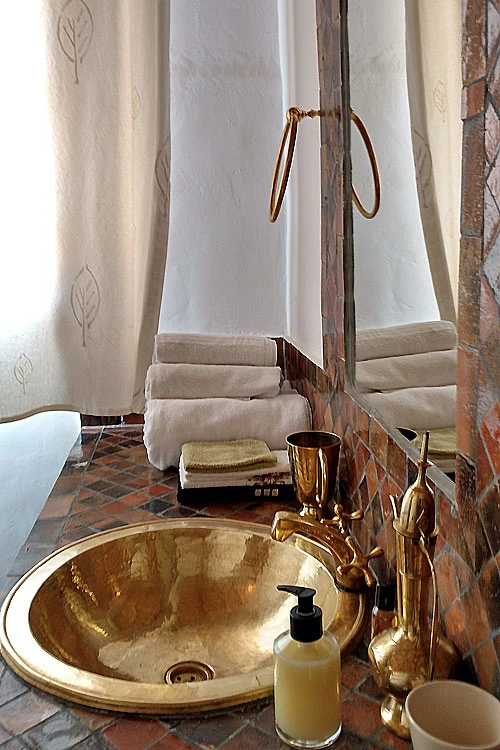
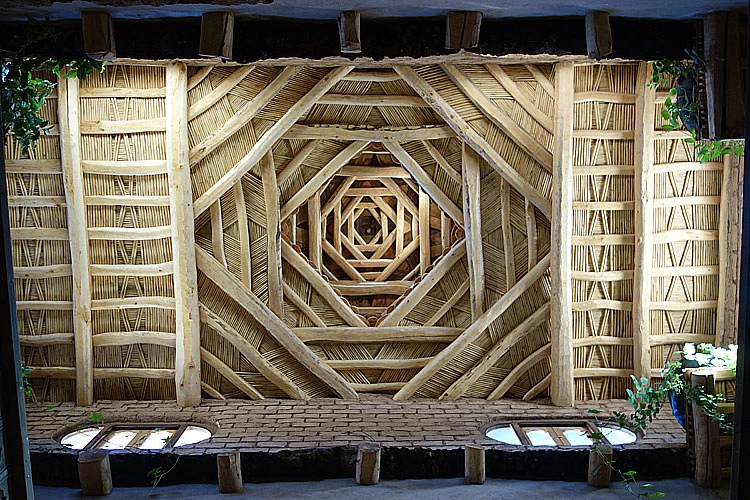
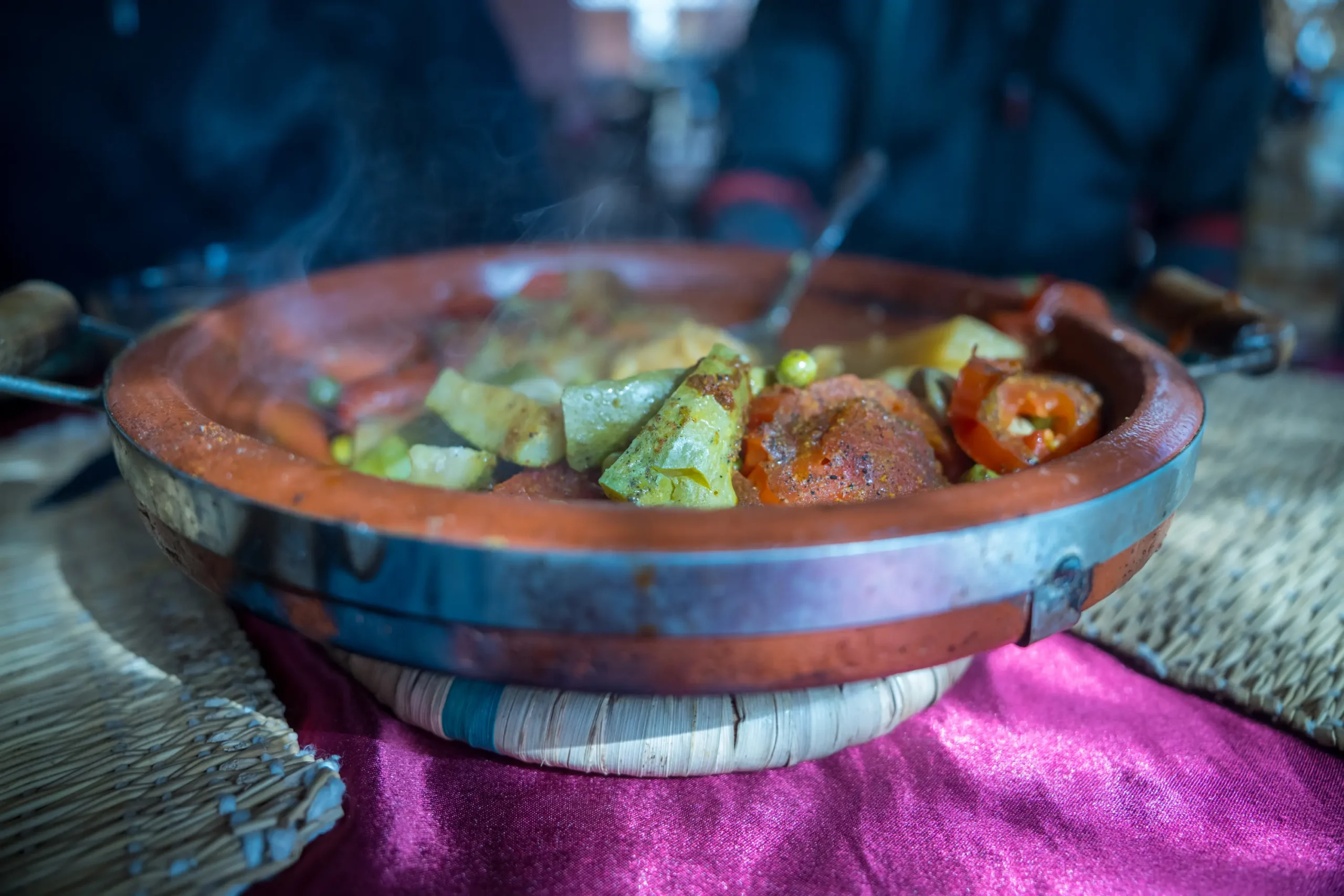
While the daytime tracks will push you slightly out of your comfort zone, your evenings are defined by pure relaxation. You will stay in premium riads and exceptional boutique hotels chosen for their superior design, amenities, and comfort. The culinary experience matches the high standard of your surroundings, featuring refined Moroccan fusion cuisine, sophisticated multi-course dinners, and exceptional local delicacies served in stunning settings.
This tour is meticulously crafted for drivers who want to experience the raw, untamed elements of Morocco's highest peaks without sacrificing comfort, safety or a refreshing dip in the pool from time to time.
Unwind in handpicked premium riads and boutique hotels.
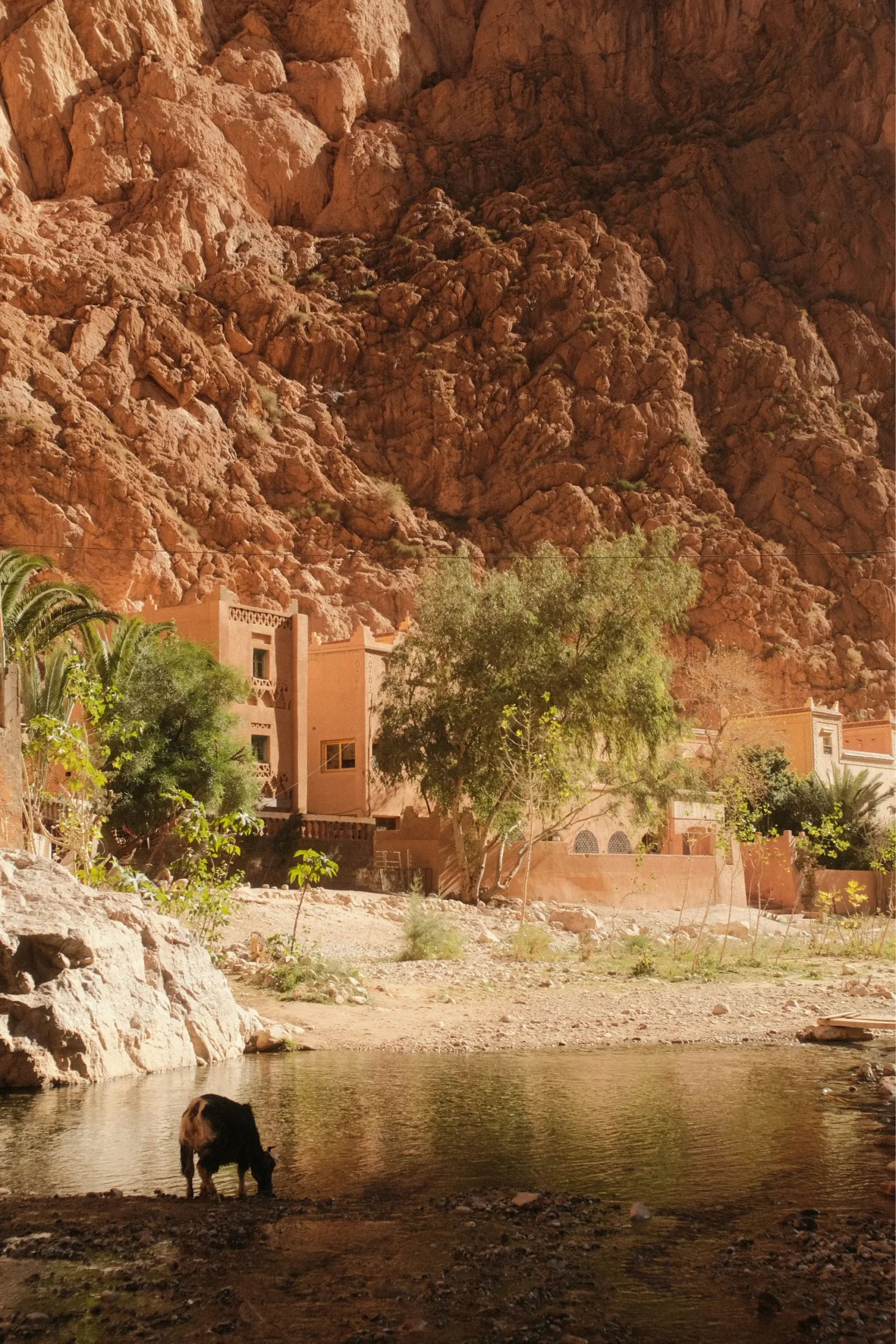
Explore spectacular deep gorges and the historic Ait Ben Haddou.
Effortless route coordination using our custom mobile app.
Includes/Excludes
Full-size premium 4x4 SUVl
7 nights in premium boutique hotels and luxury riads.
Locally prepared dinners and premium daily breakfasts.
Full access to the dedicated mobile guide app.
International airfare to and from Marrakech.
Vehicle fuel, midday lunches, and en route expenses.
Itinerary
Day 1: Arrival Marrakesh
Day 2: Marrakech to Demnate
Driven Distance: 110 km
Road Types: Transitioning from bustling urban asphalt to winding, single-lane foothill roads. A smooth introduction to mountain driving with gradual elevation gains.
Example Highlights
The Potteries of Demnate: Demnate is famous for its distinct red-clay pottery. Stop by the local artisan workshops to see craftsmen using traditional wood-fired kilns.
Imi n’Ifri Natural Bridge: A colossal, natural limestone land bridge just outside the town, rich with local folklore and incredible photo opportunities.
Day 3: Demnate to Zaouiat Ahansal
Driven Distance: 130 km
Road Types: Adventurous mountain tracks and high passes climbing toward 3,000m. Expect narrow, unpaved shelf roads, steep gradients, and sweeping vistas with long drops—designed to challenge your focus without ever feeling dangerous.
Example Highlights
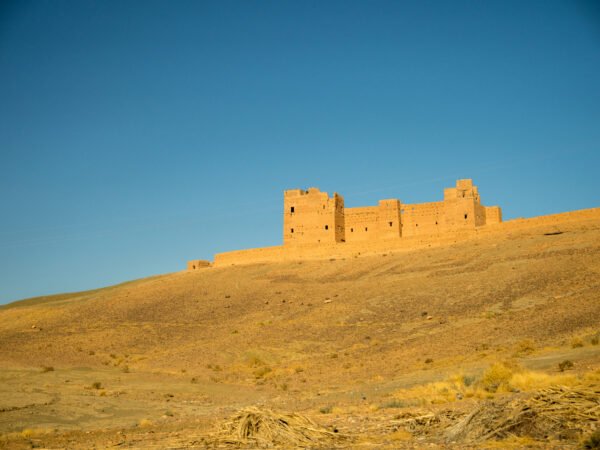
Ait Ben Hmad Collective Granary: A 17th-century communal stone and mud-brick fortress used by centuries of Berber tribes to protect grain and treasures.
Traditional Weaver Workshops: The isolated villages along this track house local families weaving durable, thick wool blankets and rugs designed for harsh winter climates.
Day 5: Zaouiat Ahansal to Dades Gorge
Driven Distance: 160 km
Road Types: Pure alpine driving. Rugged dirt pistes transitioning into winding mountain switchbacks as you cross some of the highest accessible passes in the region before descending the famous, dramatic hairpins of the Dades Gorge.
Example Highlights
Taghia Gorge Views: Catch glimpses of the towering vertical limestone cliffs flanking the remote riverbed valleys.
High Atlas Carpet Cooperatives: As you enter the Dades valley, stop at genuine women’s weaving cooperatives to see the creation of complex, hand-knotted Amazigh rugs.
Day 6: Dades Gorge to Aït Benhaddou
Driven Distance: 150 km
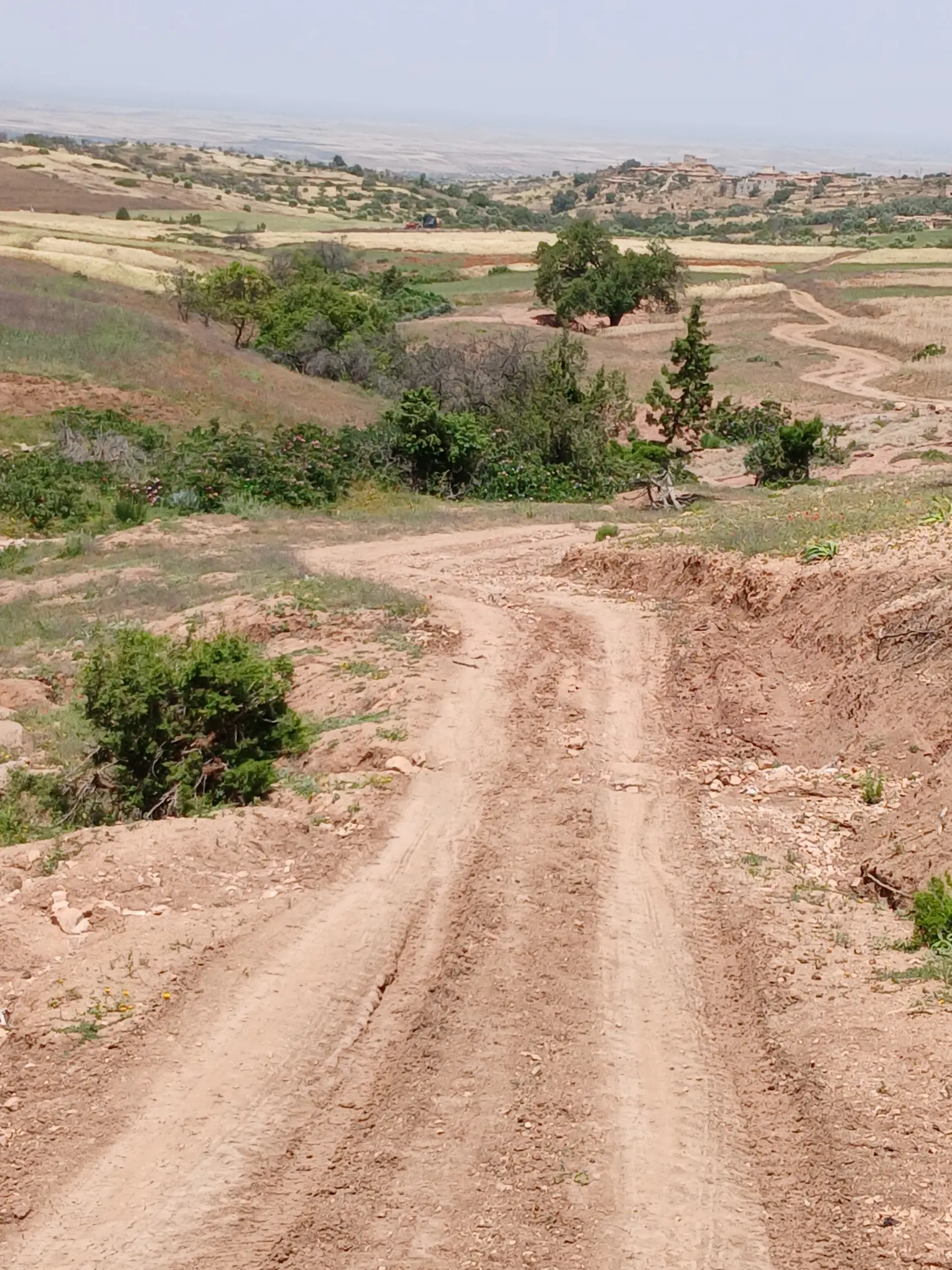
Road Types: A mix of dry riverbeds (oueds), rolling gravel tracks, and open tarmac roads stretching through the arid pre-Saharan valleys.
Example Highlights
The Valley of the Roses (Kelaat M'gouna): Famous for organic rose water, oils, and traditional co-ops.
Aït Benhaddou Kasbah: Explore this spectacular, fortified mud-brick UNESCO World Heritage site, famous as the backdrop for iconic Hollywood epics.
Day 7 Aït Benhaddou to Marrakesh
Driven Distance: 180 km
Road Types: Concluding the loop via the breathtaking Tizi n'Tichka pass. Dramatic, high-altitude paved roads with sweeping mountain curves, returning gently down to the vibrant plains of Marrakech.
Example Highlights
Telouet Kasbah: A hidden detour to the crumbling yet wildly ornate palace of the Glaoui clan, tucked away in the Ounila Valley.
Day 8: Depart Marrakesh
Frequently asked questions
Is it safe to drive in Morocco?
Yes, self-driving in Morocco is generally very safe, accessible, and enjoyable for international travelers. Main highways and primary roads are well-maintained, and police presence is widespread, ensuring high levels of road safety.
However, safe driving in Morocco requires an understanding of local road conditions and driving etiquette:
Routine Police Checkpoints: Police checkpoints (Contrôles Routiers) are common across the country. They are standard security measures designed to manage traffic flow and speed enforcement rather than a cause for concern. Simply bring your vehicle to a complete stop at the stop sign and wait for the officer to wave you through.
Mountain and Off-Road Conditions: Remote tracks across the High Atlas Mountains or the Sahara Desert feature unpaved gravel, narrow shelf roads, and soft sand. While advanced off-road expertise is not required, drivers must maintain calm concentration, adhere to lower speed limits, and manage tire pressure appropriately for the terrain.
Navigational & Safety Backup: To ensure total safety in remote areas, traveling with real-time navigational support—such as the Stradale mobile guide app—provides offline maps, live weather updates, and automated route adjustments if a mountain pass experiences sudden weather closures.
Local Traffic Etiquette: In rural zones, expect pedestrians, livestock, and slow-moving local transport near road edges. In narrow, single-lane mountain sections, vehicles traveling uphill always maintain the right of way.
How does driving a full-size 4x4 differ from a compact 4x4 on narrow mountain shelf roads?
A full-size 4x4 offers vastly superior suspension comfort, traction, and climbing torque. However, because full-size vehicles are wider and longer, drivers must be more conscious of vehicle placement—holding a steady line near the inner mountain wall on narrow shelf tracks and utilizing wide pull-out pockets early when encountering oncoming trucks.
Do tight village alleyways present a problem for a large Land Cruiser-style vehicle?
While full-size vehicles fit through almost all public routes, ancient village gateways can feel snug. The key is slow, deliberate maneuvering, using your elevated seating position and wide mirrors to monitor clearance on both sides.
Is low-range 4WD needed on the High Atlas passes?
While high-range 4WD handles 95% of mountain tracks, engaging low-range on steep, unpaved descents provides exceptional engine braking. This prevents brake overheat on long downhill runs through passes like Tizi n'Tichka.
Why is a full-size 4x4 preferred for groups or heavy luggage setups?
A full-size 4x4 provides massive interior payload capacity and heavy-duty rear axles. When carrying 3–4 adults, heavy luggage, and full expedition gear, a larger vehicle retains its ground clearance and suspension composure, whereas a compact SUV can sag and lose clearance.
from2,290.00€ /person
Make enquiry
Have a question before booking? Message us to learn more.
Why book this tour?
Pilot a high-clearance 4x4 vehicle over rugged mountain terrain.
Relax in premium boutique hotels and luxury riads.
Complete route freedom via our dedicated mobile guide app.
Experience dramatic, high-altitude driving with ultimate cabin comfort.